
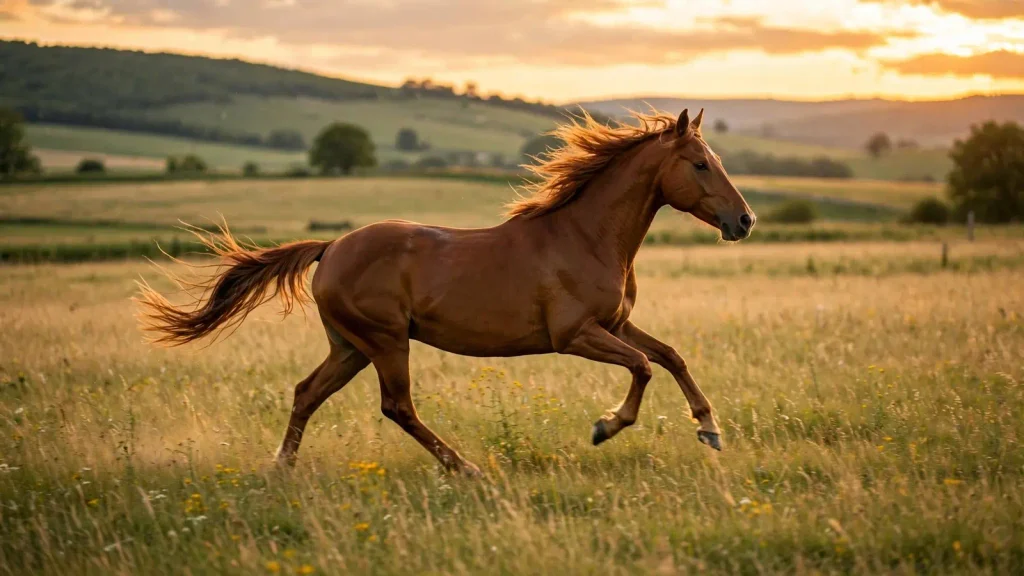
A horse is known by many names, depending on its age, gender, breed, purpose, and the way people describe it. Some people search for an alternative word for a horse because they want to improve their vocabulary, write a story, solve a crossword puzzle, or find a more interesting way to describe the animal.
Others may be curious about traditional horse terms used in farming, ranching, racing, and everyday conversation.
Common alternatives include steed, equine, stallion, mare, gelding, colt, and pony. Each word has a slightly different meaning, so they are not always interchangeable. This guide covers common synonyms, old-fashioned terms, descriptive expressions, and specific names for different types of horses.
Common Synonyms for Horse
Several words can describe a horse in everyday language or more specific settings. Some are direct alternatives, while others refer to particular types of horses.
- Equine – A general term relating to horses and other members of the horse family.
- Steed – A strong or impressive riding horse, often used in literature.
- Mount – An animal used for riding.
- Courser – A swift horse, especially one traditionally used in battle.
- Charger – A powerful horse associated with charging into battle.
- Nag – An informal word for a horse, sometimes suggesting an old or tired animal.
- Dobbin – An old-fashioned, friendly name for an ordinary working horse.
- Palfrey – A comfortable riding horse used in medieval times.
- Destrier – A powerful warhorse ridden by knights.
- Hack – A horse used for ordinary riding or recreational travel.
- Cob – A sturdy, compact type of horse.
- Riding horse – A horse kept or trained for riding.
- Workhorse – A horse used for physical labor, or a figurative term for a dependable worker.
- Packhorse – A horse trained to carry supplies and equipment.
- Harness horse – A horse trained to pull a carriage or other vehicle.
- Pony – A small equine, generally classified by its height and build.
- Warhorse – A horse trained or used for military purposes.
- Racehorse – A horse bred or trained for competitive racing.
Other Words for Horse Based on Gender
Horse terminology often changes according to the animal’s sex. These terms are useful when describing horses in conversation, books, animal care, or equestrian activities.
- Stallion – An adult male horse that has not been castrated.
- Mare – An adult female horse.
- Gelding – A male horse that has been castrated.
- Colt – A young male horse, usually under four years old.
- Filly – A young female horse, usually under four years old.
- Broodmare – A female horse kept for breeding.
- Stud – A male horse used for breeding.
- Sire – The father of a horse.
- Dam – The mother of a horse.
- Ridgling – A male horse with one or both testicles retained in the abdomen or groin.
- Foaling mare – A mare that is giving birth or approaching the time of delivery.
- Weanling – A young horse that has recently stopped nursing.
- Yearling – A horse that is one year old.
- Breeding stallion – An adult male horse selected for reproduction.
- Race mare – A female horse trained for racing.
These terms are not all direct synonyms. They describe different genders, ages, or breeding roles.
Old-Fashioned and Historical Horse Terms
Historical writing, medieval stories, and classic literature often use words that sound different from modern horse terminology. These expressions can add an old-world feel to a sentence.
- Steed – A noble or impressive riding horse.
- Destrier – A medieval knight’s powerful warhorse.
- Palfrey – A smooth-gaited riding horse valued for comfortable travel.
- Courser – A fast horse used for riding, hunting, or warfare.
- Rouncey – A common riding or working horse in medieval times.
- Hobby – A small, lightweight horse historically used for riding.
- Hobelar – A medieval light cavalry soldier who rode a hobby horse.
- Jennet – A small Spanish riding horse known for its comfortable gait.
- Cavalry mount – A horse used by mounted military soldiers.
- War charger – A powerful horse used in medieval combat.
- Paladin’s steed – A literary expression for the horse of a noble or heroic knight.
- Pack animal – A general historical expression for an animal carrying supplies.
- Dray horse – A strong horse used to pull heavy carts.
- Cart horse – A horse used to pull carts and wagons.
- Hackney – A type of horse historically valued for carriage driving and riding.
Some of these expressions describe particular historical breeds or uses rather than horses in general.
Different Types of Horses and Their Names
The word horse can refer to animals with many different sizes, builds, and purposes. These terms are useful when someone wants a more precise description.
- Pony – A small, sturdy equine.
- Draft horse – A large, muscular horse bred for heavy work.
- Thoroughbred – A breed widely associated with horse racing.
- Arabian – An ancient horse breed known for its refined appearance and endurance.
- Quarter Horse – An American breed famous for speed over short distances.
- Mustang – A free-roaming horse of the American West.
- Morgan – An American horse breed known for versatility.
- Appaloosa – A breed recognized for its distinctive spotted coat patterns.
- Paint Horse – An American breed known for colorful coat patterns.
- Clydesdale – A large draft horse associated with strength and feathered legs.
- Percheron – A powerful draft horse with French origins.
- Shire – A giant English draft horse.
- Shetland pony – A small, sturdy pony from the Shetland Islands.
- Welsh pony – A pony breed known for its attractive build and versatility.
- Icelandic horse – A compact breed famous for its special gaits.
A breed name is not a general replacement for the word horse. It identifies a particular group of horses with shared characteristics.
Words for a Horse Based on Its Age
A horse’s age can affect the term used to describe it. These words are especially helpful in breeding, riding, and horse-care discussions.
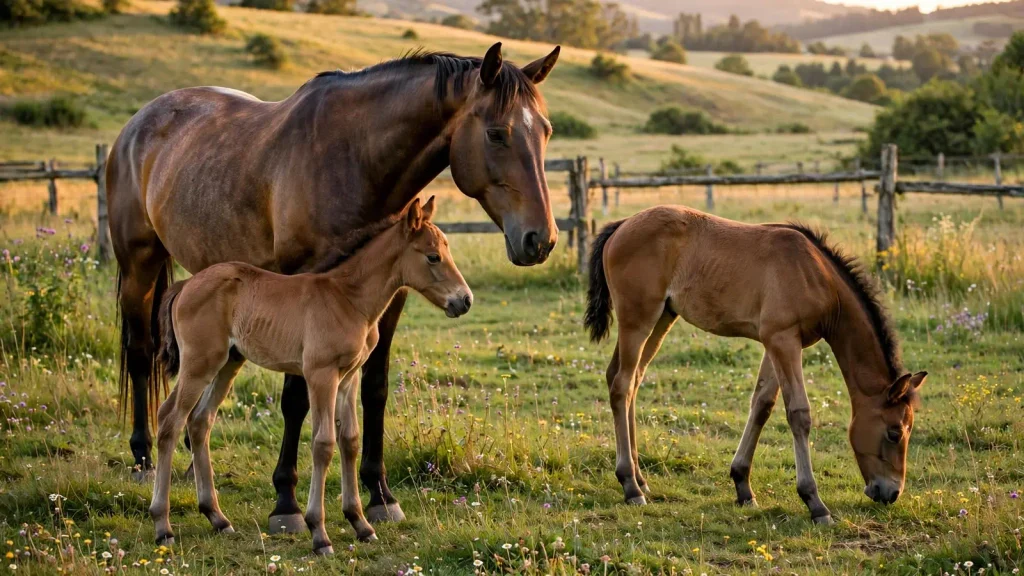
- Foal – A young horse that has not yet reached one year of age.
- Newborn foal – A horse that has just been born.
- Weanling – A foal that has been separated from its mother.
- Yearling – A horse in its first full year after turning one.
- Colt – A young male horse.
- Filly – A young female horse.
- Juvenile horse – A general term for a young horse.
- Two-year-old – A horse that has reached its second year.
- Three-year-old – A horse that has reached its third year.
- Mature horse – A horse that has reached adulthood.
- Adult horse – A fully grown horse.
- Senior horse – An older horse.
- Retired horse – A horse that has stopped working or competing.
- Broodmare – An adult female used for breeding.
- Veteran horse – An older horse, often with experience in riding or competition.
Alternative Words for a Horse Used for Riding
A horse used for riding may be described by its role, training, or riding style. These expressions are common in equestrian settings.
- Mount – A horse used by a rider.
- Riding mount – A horse selected for carrying a rider.
- Saddle horse – A horse trained for riding with a saddle.
- Trail horse – A horse used for recreational riding on trails.
- Pleasure horse – A horse ridden for enjoyment rather than competition.
- Show horse – A horse trained to compete in equestrian shows.
- Endurance horse – A horse trained for long-distance riding events.
- Dressage horse – A horse trained in precise movements and controlled riding.
- Jumping horse – A horse trained to clear obstacles.
- Polo pony – A horse used in the sport of polo.
- Ranch horse – A horse trained for ranch work and livestock handling.
- Trail mount – A horse used for outdoor riding.
- School horse – A horse used to teach people how to ride.
- Lesson horse – A horse used in riding lessons.
- Gymkhana horse – A horse trained for timed riding games and competitions.
Descriptive Words for a Horse
Sometimes a descriptive expression works better than a direct synonym. These terms help communicate a horse’s appearance, movement, strength, or temperament.
- Majestic steed – A horse with an impressive and graceful appearance.
- Noble charger – A powerful horse with a commanding presence.
- Gentle giant – A large horse with a calm and friendly nature.
- Swift runner – A horse known for speed.
- Graceful equine – A horse with elegant movements.
- Powerful mount – A strong horse capable of carrying a rider.
- Faithful companion – A horse with a dependable relationship with its owner.
- Sure-footed mount – A horse that moves confidently over difficult ground.
- Fleet-footed steed – A fast-moving horse.
- Sturdy cob – A compact and strongly built horse.
- Hardworking dray horse – A horse used for demanding physical tasks.
- Elegant mare – A female horse with a refined appearance.
- Proud stallion – An adult male horse with a confident presence.
- Playful pony – A small equine with an energetic personality.
- Loyal companion animal – A horse valued for its relationship with people.
Words for a Horse in Farming and Ranching
Horses have played an important role in agriculture and ranch work for centuries. Their names often reflect the tasks they perform.
- Farm horse – A horse used for general agricultural work.
- Draft horse – A strong animal used for pulling heavy loads.
- Plow horse – A horse used to pull farming equipment.
- Cart horse – A horse used to pull carts.
- Wagon horse – A horse trained to pull wagons.
- Dray horse – A horse used to haul heavy goods.
- Packhorse – A horse that carries equipment or supplies.
- Ranch horse – A horse used for everyday ranch activities.
- Cow horse – A horse trained to work with cattle.
- Cutting horse – A horse trained to separate cattle from a herd.
- Roping horse – A horse used in cattle-roping activities.
- Stock horse – A horse bred or trained for working livestock.
- Driving horse – A horse trained to pull a vehicle.
- Team horse – One of two or more horses working together to pull a load.
- Utility horse – A horse used for practical work.
Short and Simple Alternatives for Horse
Short words are useful for crossword puzzles, word games, captions, and simple writing. Some refer to specific horse types rather than the entire species.
- Nag – A short informal term for a horse.
- Cob – A short word for a sturdy type of horse.
- Pony – A small equine.
- Foal – A young horse.
- Colt – A young male horse.
- Mare – An adult female horse.
- Stud – A male horse used for breeding.
- Hack – A horse used for ordinary riding.
- Hackney – A carriage and riding horse type.
- Steed – A literary word for a riding horse.
- Mount – A horse used for riding.
- Gelding – A castrated male horse.
- Sire – A horse’s father.
- Dam – A horse’s mother.
- Equine – A term relating to horses.
Words Associated With Horses in Literature and Stories
Writers often choose expressive horse-related words to create a certain mood. A knight’s horse may be called a steed, while a farm horse may be described as a dependable work companion.
- Steed – A classic word for a noble riding horse.
- Charger – A brave and powerful horse.
- Warhorse – A horse associated with battles.
- Courser – A fast horse used in historical settings.
- Palfrey – A comfortable horse for long journeys.
- Destrier – A knight’s traditional warhorse.
- Stallion – A strong adult male horse.
- Mare – An adult female horse.
- Mustang – A horse that suggests freedom and the American West.
- Wild horse – A horse living without domestic ownership.
- Silver-maned steed – A poetic description of a horse with a silver-colored mane.
- Midnight charger – A dramatic expression for a dark-colored horse.
- Faithful mount – A dependable horse in an adventure story.
- Noble companion – A horse that shares a special bond with its rider.
- Gallant steed – A brave-looking or heroic horse.
What Is the Difference Between a Horse, Pony, and Equine?
These three words are closely related, but they do not mean exactly the same thing.
Horse: A domesticated member of the species Equus caballus. Horses come in many breeds, sizes, and body types.
Pony: A smaller type of horse. Many breed standards classify ponies as equines measuring 14.2 hands or less at the withers, although definitions can vary by breed and region.
Equine: A broader scientific and descriptive term relating to members of the horse family. It includes horses, donkeys, and zebras.
The word equine is useful in scientific writing and general descriptions. The word pony is suitable when referring to a small horse. And The word horse remains the clearest choice for the familiar domestic animal.
How to Choose the Right Alternative Word
The best replacement depends on what you want to communicate. A word that works in a poem may sound strange in an everyday conversation. A breed name may be accurate in a horse-care article but unsuitable as a general synonym.
Here are some practical tips.
1. Consider the Context
Think about where the word will appear. A story about medieval knights may benefit from words such as steed, charger, or destrier. An educational article may need equine or domestic horse.
2. Identify the Horse’s Gender
Use the correct term when gender matters. An adult female is a mare, an adult uncastrated male is a stallion, and a castrated male is a gelding.
3. Check the Horse’s Age
A foal, yearling, colt, and filly describe different stages or characteristics. Avoid using these terms as general replacements for an adult horse.
4. Think About the Horse’s Purpose
A horse used for racing is a racehorse. One used to carry supplies is a packhorse. A horse trained for cattle work may be called a stock horse or cow horse.
5. Match the Tone of Your Writing
Choose words that fit your audience. Horse is simple and familiar. Steed sounds traditional and literary. Nag is informal and can sound unkind.
6. Avoid Incorrect Synonyms
Some horse-related words have very specific meanings. A pony is not simply another name for every horse, and a stallion does not describe every male horse.
7. Choose Clear Language
If readers may not understand a historical or technical term, explain it briefly. Clear writing is more useful than choosing an unusual word just to sound impressive.
FAQs
What is another common name for a horse?
Steed is one of the most common alternative words for a horse. Other options include mount, equine, nag, and riding horse. The right choice depends on the context.
What is a fancy word for a horse?
Steed is a classic fancy word for a horse, especially one used for riding. Destrier, courser, and palfrey are more historical alternatives with specific meanings.
What is a scientific word for horse?
Equine is the general scientific and descriptive term associated with horses. The domestic horse’s scientific species name is Equus caballus.
What is another word for a male horse?
A male horse can be called a stallion if it is an adult and has not been castrated. A young male is called a colt. A castrated male is known as a gelding.
What is another word for a female horse?
An adult female horse is called a mare. A young female horse is called a filly. A mare used for breeding is known as a broodmare.
Is a pony another name for a horse?
A pony is a type of small equine, not a general name for every horse. Ponies usually have shorter legs and a more compact build than many full-sized horses.
What is an old-fashioned word for a horse?
Dobbin, nag, steed, palfrey, and courser are old-fashioned or traditional horse-related terms. Some refer to ordinary working horses, while others describe riding or warhorses.
What is a good word for a beautiful horse?
Words such as majestic, graceful, elegant, noble, and magnificent can describe a beautiful horse. Steed is also a good choice when a more poetic expression is needed.
Conclusion
Horses have many alternative names, and each one can express something different about the animal. Steed, equine, mount, mare, stallion, gelding, pony, and courser are useful choices for different situations.
Some words describe gender or age, while others refer to a horse’s breed, purpose, or historical role. Choose an expression that fits the meaning you want to convey. A simple word like horse is often best for everyday writing, while a more specific term can make your description clearer and more interesting.

Mr Zain created NameMeaningBase to help people explore the beauty and significance of names. From popular baby names to unique names and their origins, I strive to deliver useful insights that inspire curiosity and help readers find names with meaning.